The original online curiosity shop with a mission to make shopping a slower, more inspiring process
Feed your curiosity with slow fashion, sustainable style, unique vintage clothing, handcrafted jewellery and accessories, arty gifts, handmade homeware and unusual retro finds. Researched and curated by fashion aficionado, Susan Muncey
Collections
Featured Items
-
Nirvana Kimono Gown - Brick Red and Peppermint with Pom-Pom Trim
![Nirvana Kimono Gown - Brick Red and Peppermint with Pom-Pom Trim - shopcurious]()
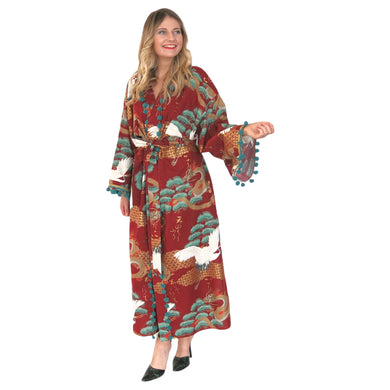
- Regular price
- £249.00
- Sale price
- £249.00
- Regular price
-
- Unit price
- per
Out Of Stock -
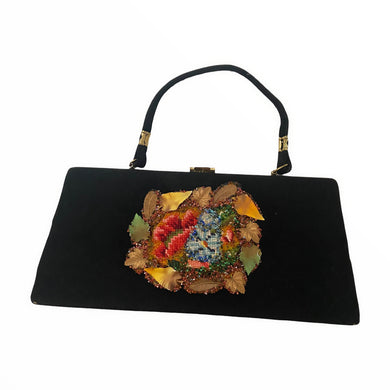
Hand Painted, Beaded and Gilded 1950s Caron Bag
![Hand Painted, Beaded and Gilded 1950s Caron Bag - ShopCurious]()
- Regular price
- £75.00
- Sale price
- £75.00
- Regular price
-
- Unit price
- per
Out Of Stock -
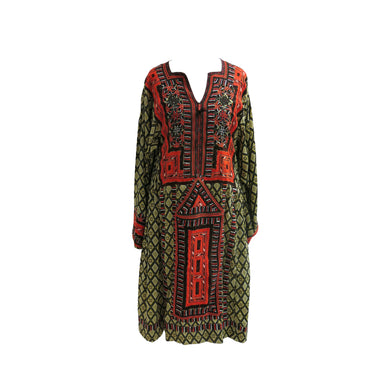
Hand Embroidered Diamond Print Ethnic Kaftan
![Hand Embroidered Diamond Print Ethnic Kaftan - ShopCurious]()
- Regular price
- £145.00
- Sale price
- £145.00
- Regular price
-
- Unit price
- per
Out Of Stock -
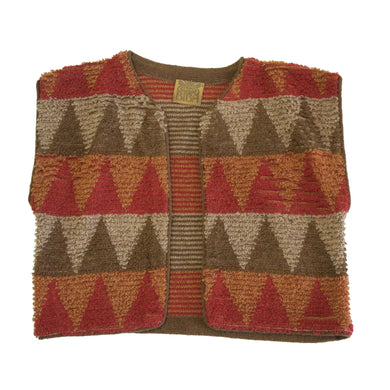
Vintage Biba Bouclé Wool Waistcoat – Orange
![Vintage Biba Bouclé Wool Waistcoat – Orange - ShopCurious]()
- Regular price
- £200.00
- Sale price
- £200.00
- Regular price
-
- Unit price
- per
Out Of Stock -
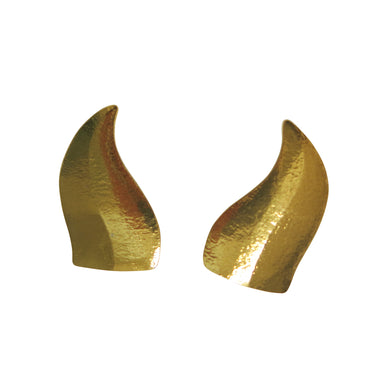
Golden Flame Earrings – Vintage YSL
![Golden Flame Earrings – Vintage YSL - shopcurious]()
- Regular price
- £275.00
- Sale price
- £275.00
- Regular price
-
- Unit price
- per
Out Of Stock -
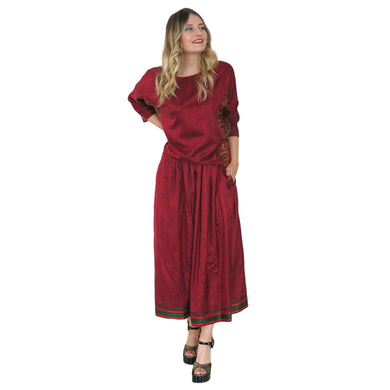
Samsara Skirt - Reversible Burgundy/Multicolour
![Samsara Skirt - Reversible Burgundy/Multicolour - shopcurious]()
- Regular price
- £230.00
- Sale price
- £230.00
- Regular price
-
- Unit price
- per
Out Of Stock -
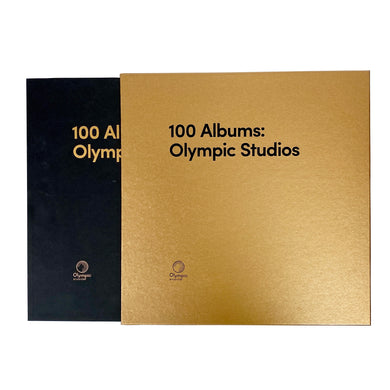
100 Albums: Olympic Studios
![100 Albums: Olympic Studios - ShopCurious]()
- Regular price
- £75.00
- Sale price
- £75.00
- Regular price
-
- Unit price
- per
Out Of Stock -
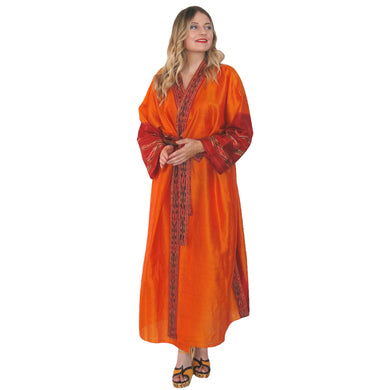
Nirvana Kimono Gown - Orange with Ikat Trim
![Nirvana Kimono Gown - Orange with Ikat Trim - shopcurious]()
- Regular price
- £235.00
- Sale price
- £235.00
- Regular price
-
- Unit price
- per
Out Of Stock -
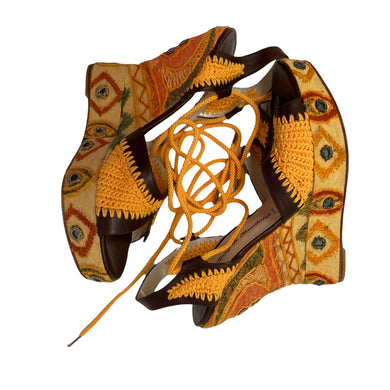
Melong - Preloved Terry de Havilland Crocheted and Embroidered Wedge Sandals
![Melong - Preloved Terry de Havilland Crocheted and Embroidered Wedge Sandals - shopcurious]()
- Regular price
- £380.00
- Sale price
- £380.00
- Regular price
-
- Unit price
- per
Out Of Stock -
Nimbus Palazzo Pant - Orange Liquid Swirl
![Nimbus Palazzo Pant - Orange Liquid Swirl - shopcurious]()
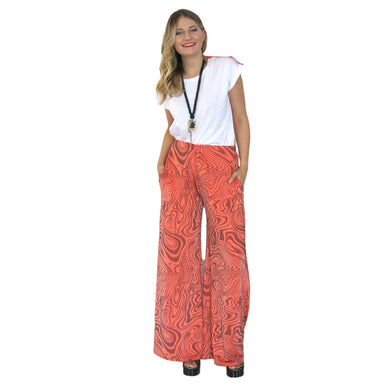
- Regular price
- £180.00
- Sale price
- £180.00
- Regular price
-
- Unit price
- per
Out Of Stock